My Account
-
Buyer
Register as a Foriegn Buyer
-
Seller
Log In Register as a Seller
My Account
Buyer
Seller




ITC-HSN: 9018
Min Order Qty 10 Numbers
Product not available
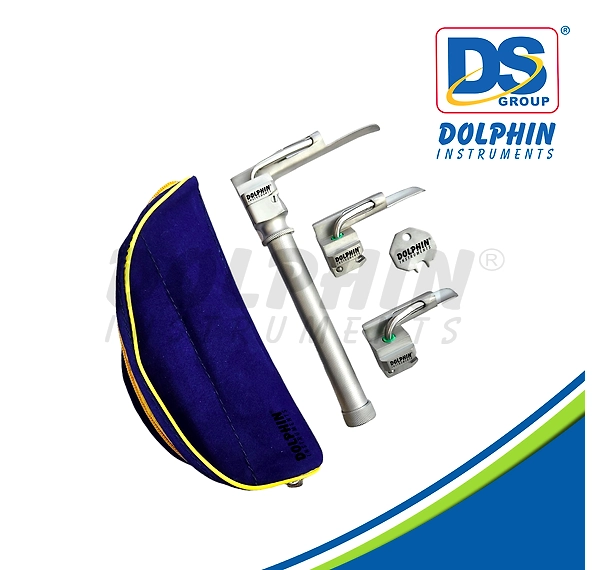
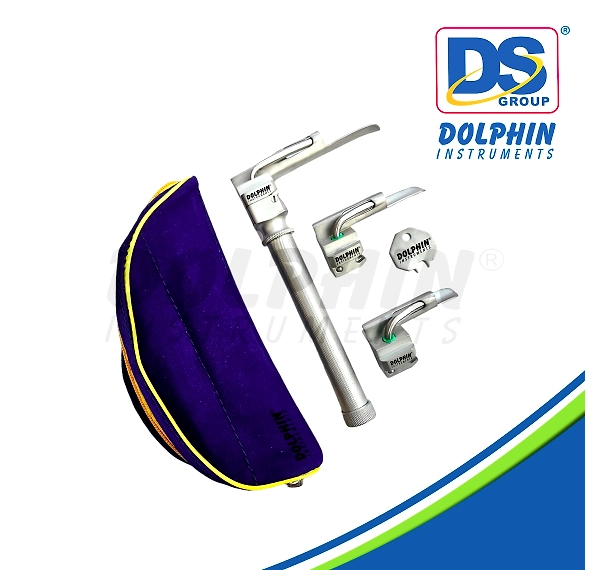
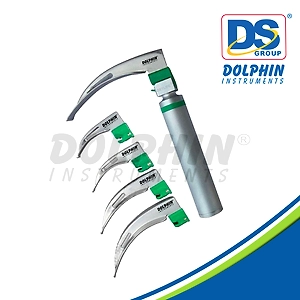
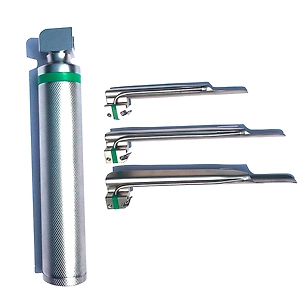
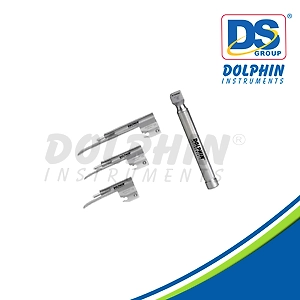
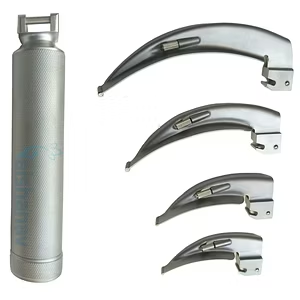
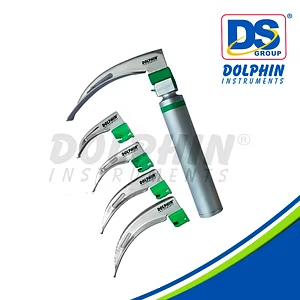
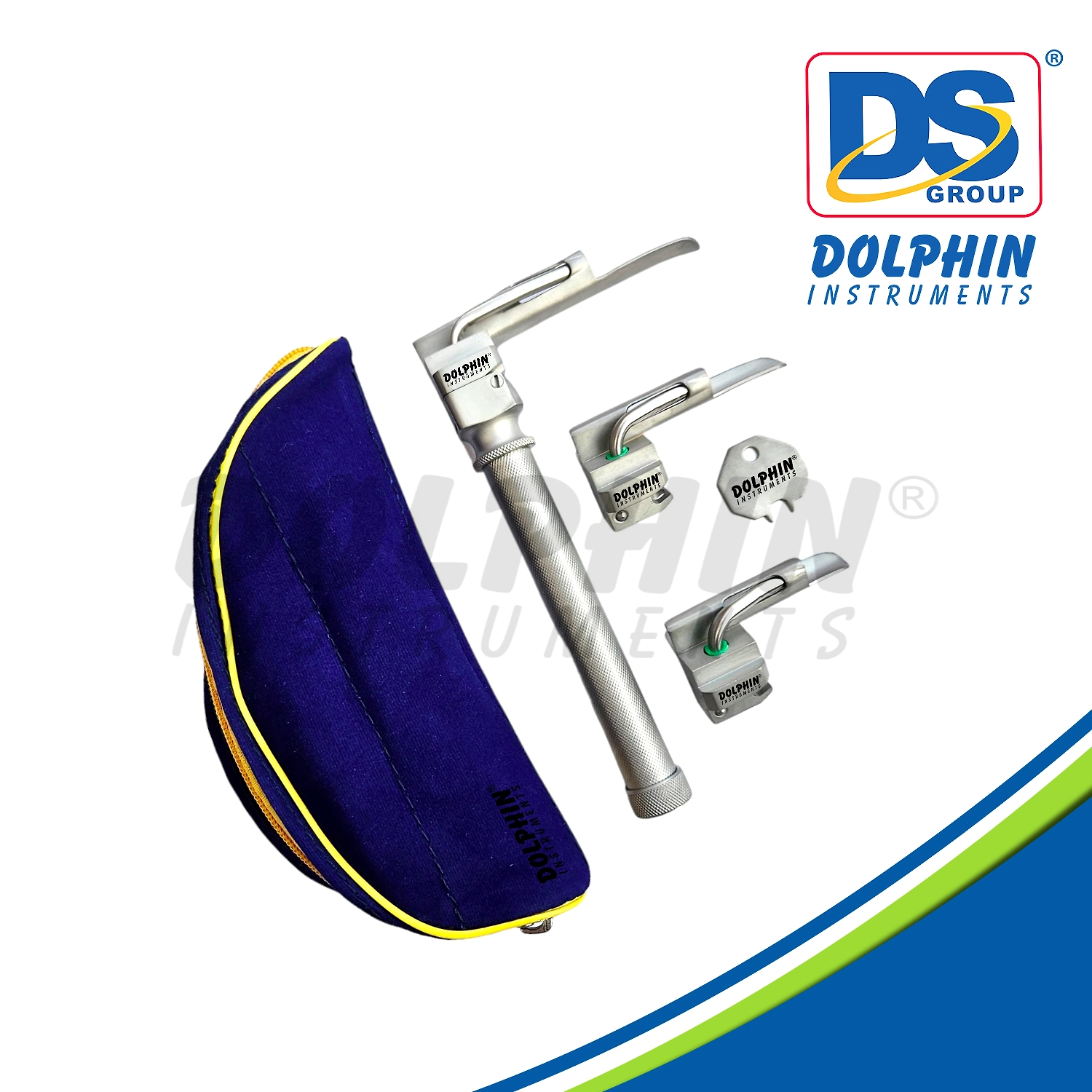
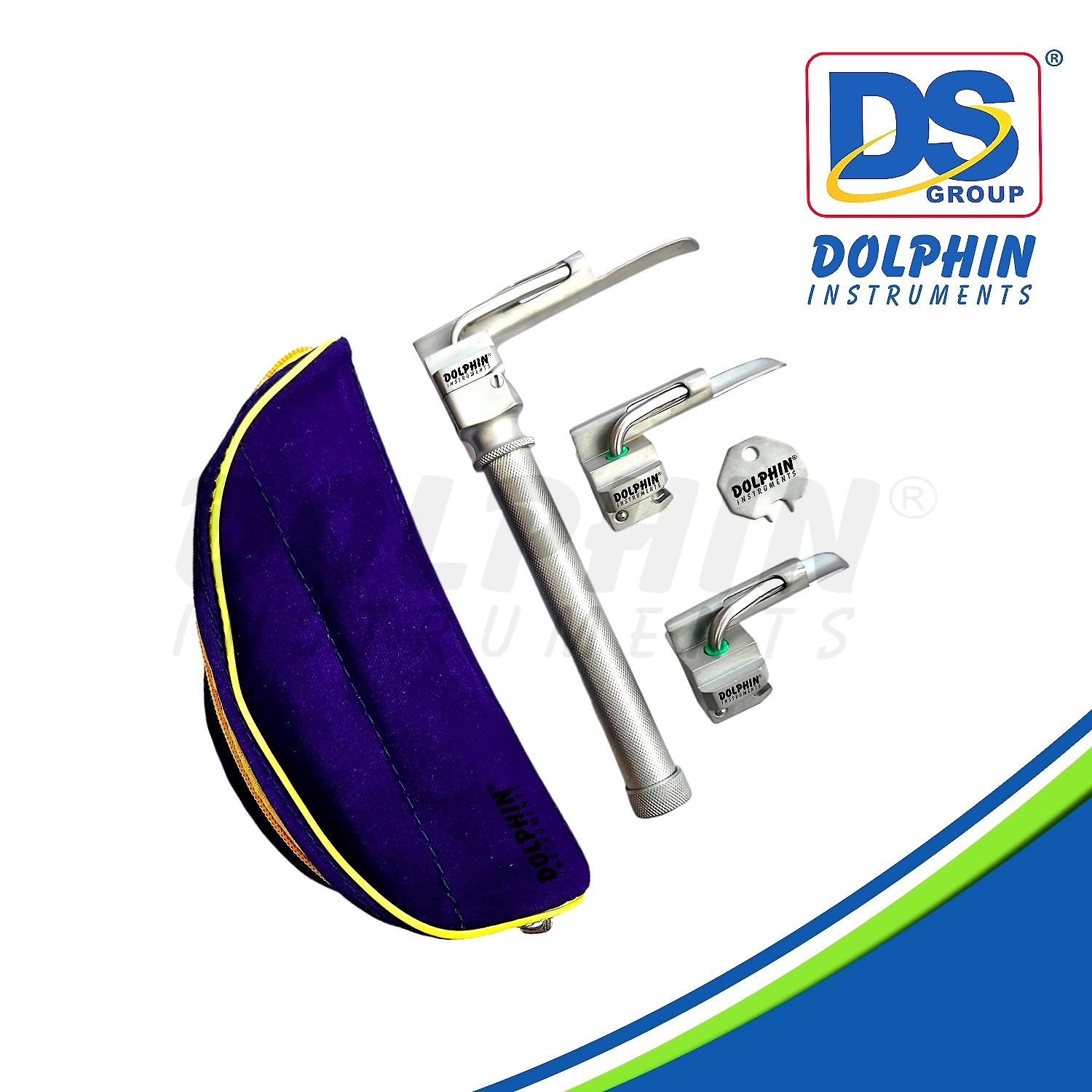
The Laryngoscope Fiber Optic Pediatric is a high-quality medical device designed for pediatric patients It offers precise illumination and visualization during medical procedures. Features Optimal illumination for pediatric patients Ergonomic and comfortable design Durable construction for long-term use High-quality fiber optic technology Designed for accuracy and safety.
Contact us for