My Account
-
Buyer
Register as a Foriegn Buyer
-
Seller
Log In Register as a Seller
My Account
Buyer
Seller

Min Order Qty 1
Product not available
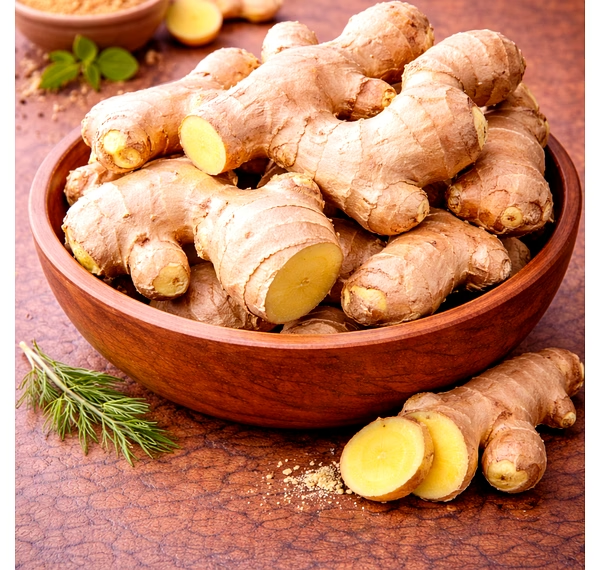
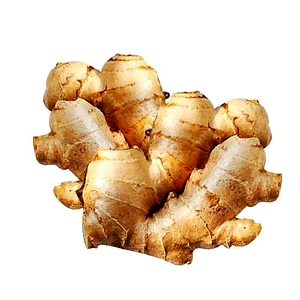
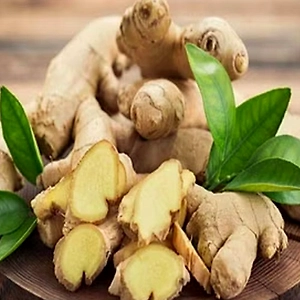
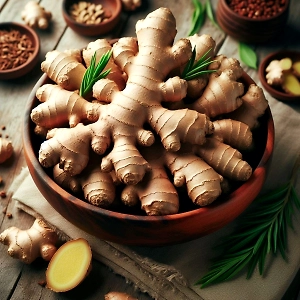
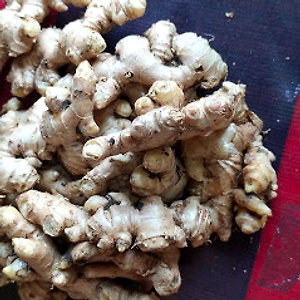
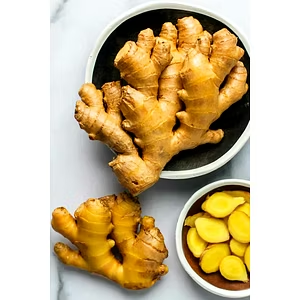
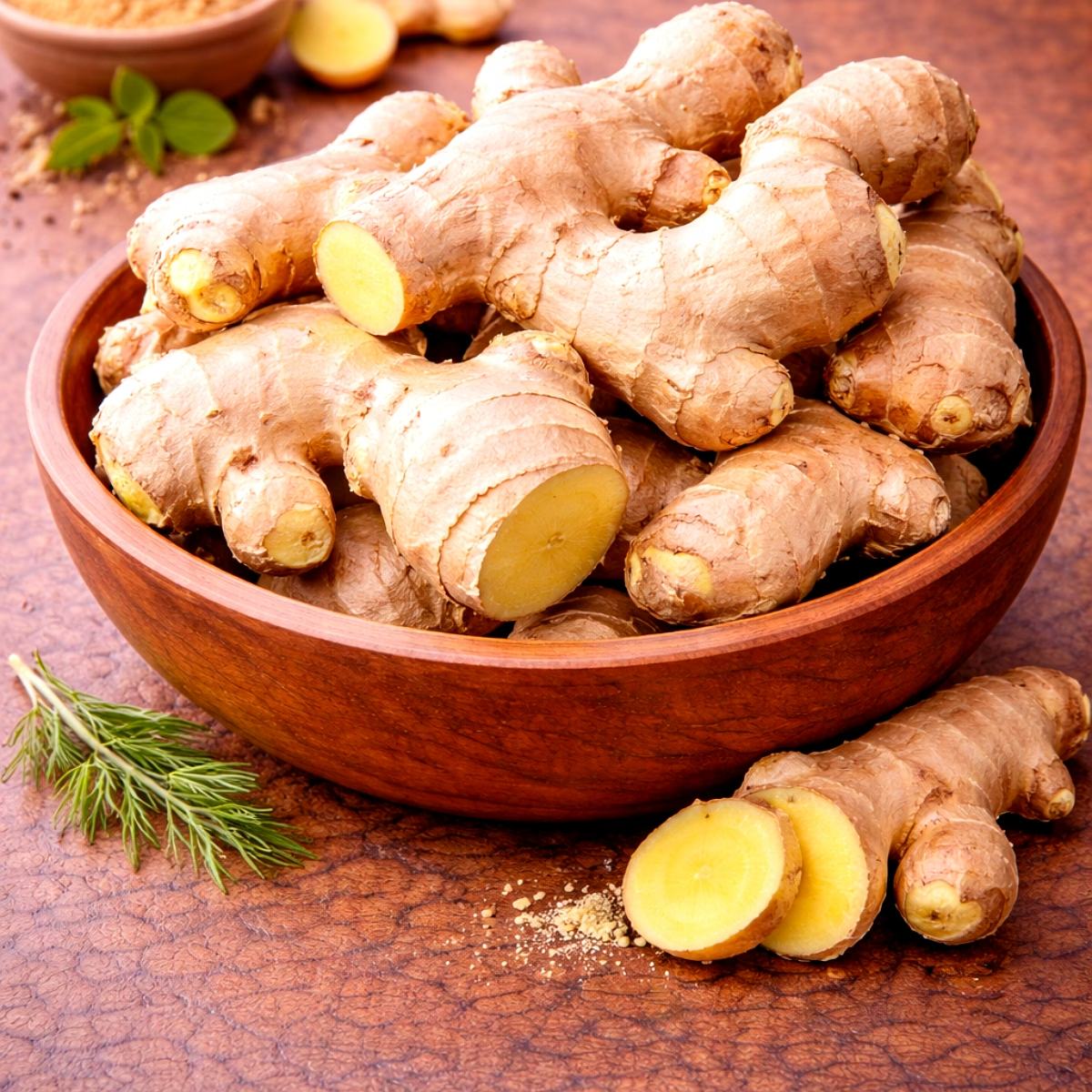
Ginger (Fresh/Adrak) supplied as cleaned, washed rhizomes graded for size and maturity to meet processing and retail specifications. Roots are sorted to remove fibrous or damaged sections, reducing spoilage risk and ensuring consistent moisture content profiles important for slicing, drying or fresh-sale channels.
Packing follows large-volume logistics standards for fresh produce suppliers: ventilated cartons and mesh packaging (10–25 kg) are palletized with breathable film and conditioned for refrigerated transport. Export readiness includes Phytosanitary Certificate and IEC registration (AHMPK2808B), facilitating cross-border clearance for target markets including the United States, Canada, Australia and EU destinations.
Contact us for
Fresh ginger rhizomes consist of a dermal skin layer, subdermal cortex and fleshy storage tissue; supply quality depends on minimizing mechanical damage and microbial entry points. Post-harvest handling emphasizes rapid cleaning, size grading and removal of extraneous rootlets. Quality controls include visual inspection for surface lesions, firmness testing to detect internal breakdown, and moisture checks to avoid excessive dehydration that reduces weight and pungency. Lot identification links origin farm, harvest date and packhouse batch to support traceability demanded by international buyers.
Uniform grading reduces variability in drying and slicing processes, translating to predictable throughput in industrial operations. Washed rhizomes with intact skin exhibit lower rates of microbial proliferation versus damaged roots, improving in-transit survival under refrigerated conditions. Recommended short-term storage at 10–15°C with high relative humidity limits desiccation, while refrigerated containers at controlled temperatures are used for longer ocean crossings. Packing in ventilated cartons and mesh sacks allows moisture equilibrium and prevents condensation build-up; palletization patterns are designed to facilitate air circulation and efficient container stowage consistent with cold-chain fresh produce wholesalers.
Ginger is deployed across fresh retail channels, food processing (paste, puree, dehydrated powder) and ingredient supply for spice blenders. The handling and documentation package aligns with requirements for fresh produce export suppliers and supports contract supply arrangements with importers and distributors in priority markets including Australia, Canada, France and the United States. Where buyers require inputs for regulated food-grade manufacturing, batch traceability and phytosanitary conformity are provided to meet inspection and quality program prerequisites.
| Established in: | 2020 |
| Bussiness Type: | Sole Proprietorship |
| Bussiness Type: | Manufacturer, Merchant |
| MSME: | Yes |
| Export Turnover (3 years): | Less than US$10,000 |
| Countries would like to export to: | Australia, Canada, France, Kenya, Russia, Sri Lanka, United Arab Emirates, United States |
| No of employees: | 1-10 |