My Account
-
Buyer
Register as a Foriegn Buyer
-
Seller
Log In Register as a Seller
My Account
Buyer
Seller

Min Order Qty 1
Product not available
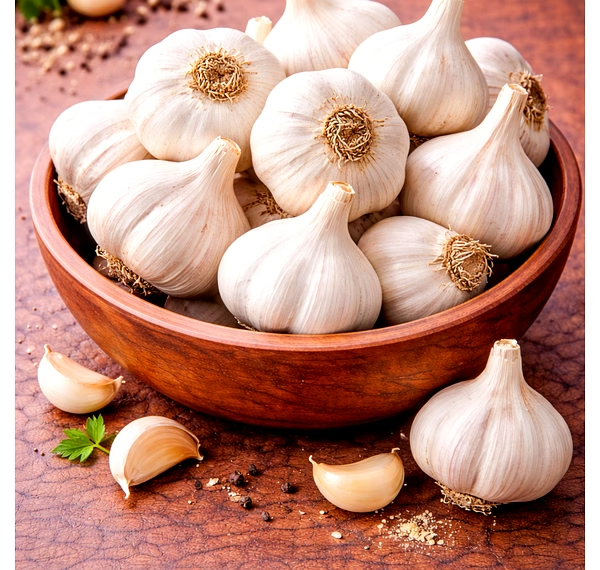
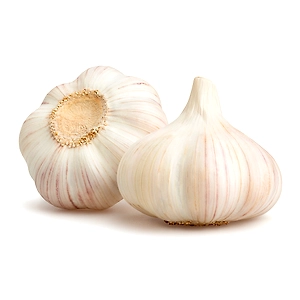
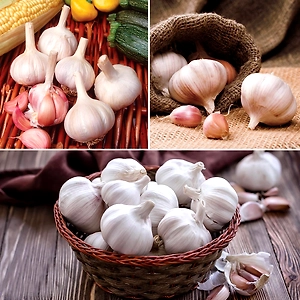
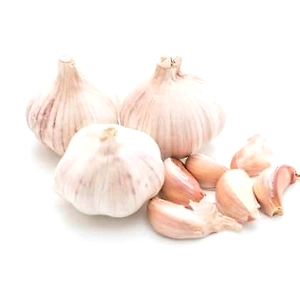
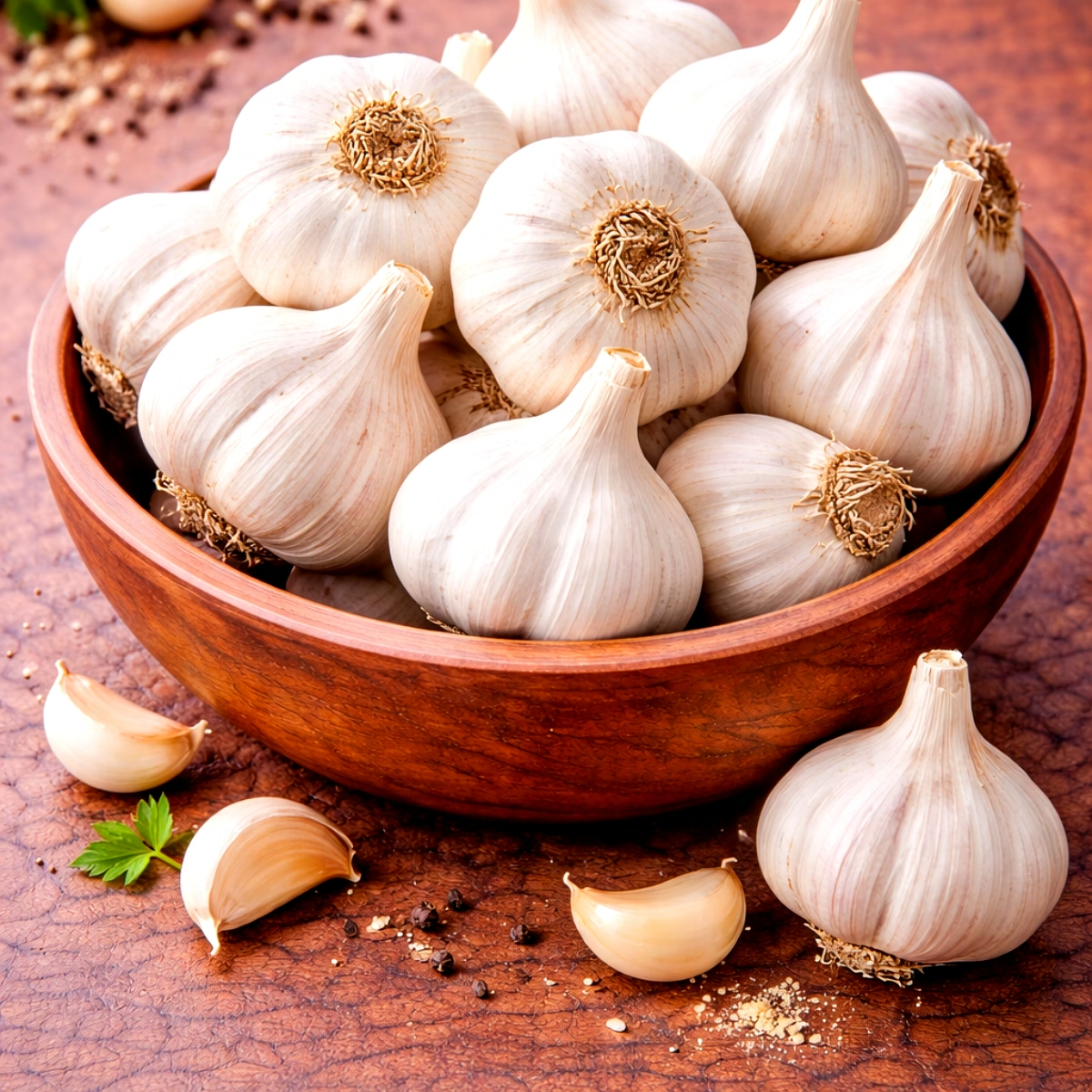
Garlic (Lasun) presented as cleaned, cured whole bulbs sorted to consistent size classes for table and processing use. Bulbs undergo mechanical curing and surface cleaning to reduce field debris while preserving clove integrity; lot-based coding and traceable harvest data support phytosanitary inspection and cross-border handling.
Supplied in large-volume packaging ready for palletized shipment, with Phytosanitary Certificate and IEC registration (AHMPK2808B). Typical packing formats include ventilated cartons and mesh sacks (10–30 kg), secured on pallets with breathable film to maintain recommended cold-chain conditions for international fresh produce suppliers.
Contact us for
Garlic bulbs are supplied as cleaned whole produce, composed of intact outer skins and individual cloves with preserved testa. Bulb selection emphasizes structural integrity (minimal bruising, intact basal plate) because physical damage accelerates moisture loss and microbial ingress. Post-harvest handling includes ambient curing to stabilize outer layers, mechanical brushing to remove soil, and size grading to align with packing-line throughput. Each lot receives a coded identifier linking harvest date, farm origin, and packing details to support traceability required by importers and phytosanitary authorities.
Size grading and surface preparation improve both retail appearance and processing performance: uniform bulbs reduce manual sorting time and yield variance during peeling or pressing operations. Controlled cold-chain storage at 0–4°C with 60–70% relative humidity limits sprouting and respiration, extending commercial shelf life for the duration of ocean or air shipments. Packaging in ventilated cartons or mesh sacks supports gas exchange while preventing condensation; palletization density and breathable wrapping are specified to maintain evaporative cooling and avoid heat pockets during container stowage. These measures align with the operational requirements of fresh produce exporters and importers managing perishable inventory across multiple markets.
Primary use cases include fresh produce distribution for retail and foodservice, industrial supply for processing (garlic paste, minced garlic, dehydrated inputs), and ingredient channels for seasoning manufacturers. The handling protocol and documentation package support entry into regulated food supply chains and conformity with buyer-specific quality programs. Packaging formats and lot traceability are compatible with bulk distribution contracts for import/export and with cold-chain fresh produce exporters operating between India and destinations such as Australia, the United States, Canada and the UAE.
| Established in: | 2020 |
| Bussiness Type: | Sole Proprietorship |
| Bussiness Type: | Manufacturer, Merchant |
| MSME: | Yes |
| Export Turnover (3 years): | Less than US$10,000 |
| Countries would like to export to: | Australia, Canada, France, Kenya, Russia, Sri Lanka, United Arab Emirates, United States |
| No of employees: | 1-10 |