My Account
-
Buyer
Register as a Foriegn Buyer
-
Seller
Log In Register as a Seller
My Account
Buyer
Seller
Min Order Qty 1
Product not available
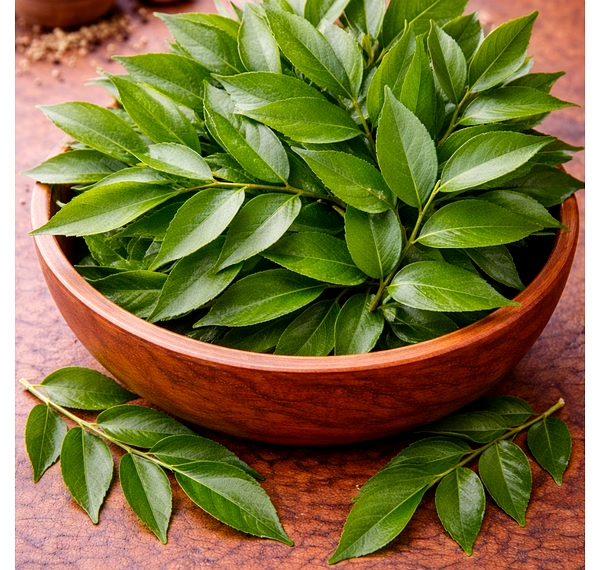
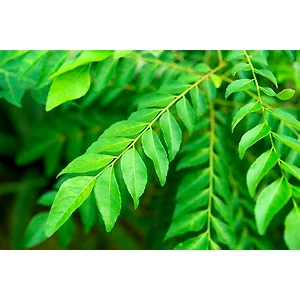
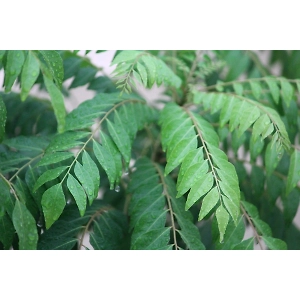
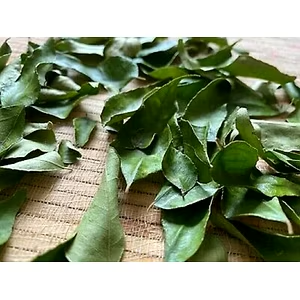
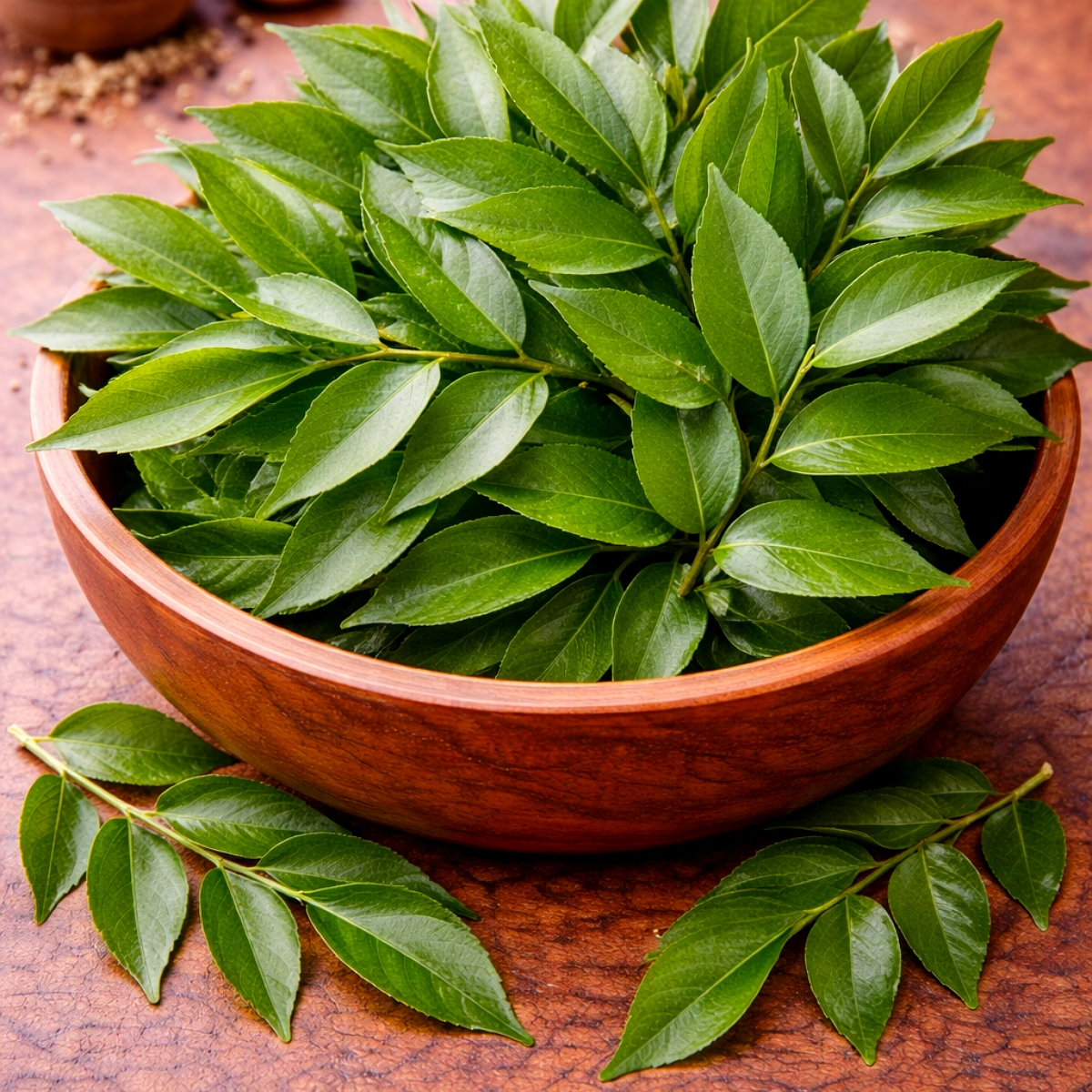
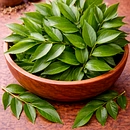
Curry Leaves provide a concentrated aromatic leaf used in seasoning and formulation for savory food products. Curry Leaves appear as intact, dried leaflets processed to retain volatile oil profile and visible green-brown color; grading emphasizes whole-leaf retention, low fragmentation and minimal foreign matter.
Packaged for industrial distribution with lot-based coding and phytosanitary clearance, supply is configured for large-volume orders in industrial 25/50 kg woven polypropylene sacks with inner vapor barriers and heat-sealed liners. Export documentation (IEC registration, phytosanitary certificates) and traceable batch records support integration into bulk herbs supply chains and food-industry procurement workflows.
Contact us for
Curry Leaves are provided as sun- or low-temperature dehydrated leaflets, selected for oil-bearing surface area and leaf integrity. The supply stream is segregated by lot with batch certificates documenting harvest window, drying method and laboratory-verified metrics (moisture, foreign matter, microbial assays). Packaging uses multi-layer liners with oxygen and moisture barriers to limit oxidative loss of terpenes and phenolics; traceability is maintained via barcoded lot labels linked to processing and phytosanitary paperwork.
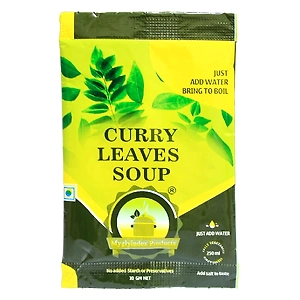
Low residual moisture and high whole-leaf retention reduce dust generation on conveyor and dosing systems, lowering filter loads in downstream air handling. Typical throughput rates for manual blending lines range from 50–200 kg/hr depending on particle handling setup; automated gravimetric dosing benefits from the uniform bulk density of graded leaf. Volatile oil retention supports consistent flavor contribution in dry mixes, instant soup bases, and ready-meal formulations, while reduced fines minimize occlusion in sieving operations.
Primary applications include seasoning blends for food manufacturers, ingredient supply to spice blenders, and bulk distribution for retail packers. Supply readiness supports contract manufacturing where lot-linked certificates and phytosanitary endorsements are required for cross-border trade. Packaging and palletization options are optimized for consolidated shipping to target markets such as Australia, Canada and the United States, and for integration into commercial herb sourcing channels.
| Established in: | 2020 |
| Bussiness Type: | Sole Proprietorship |
| Bussiness Type: | Manufacturer, Merchant |
| MSME: | Yes |
| Export Turnover (3 years): | Less than US$10,000 |
| Countries would like to export to: | Australia, Canada, France, Kenya, Russia, Sri Lanka, United Arab Emirates, United States |
| No of employees: | 1-10 |