My Account
-
Buyer
Register as a Foriegn Buyer
-
Seller
Log In Register as a Seller
My Account
Buyer
Seller
Min Order Qty 1
Product not available
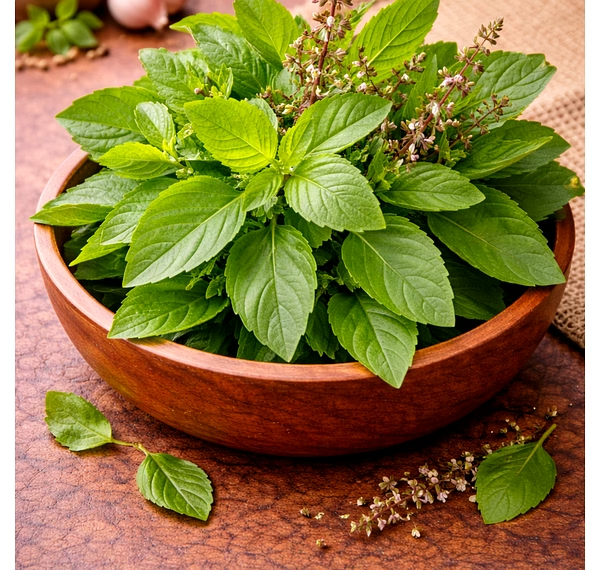
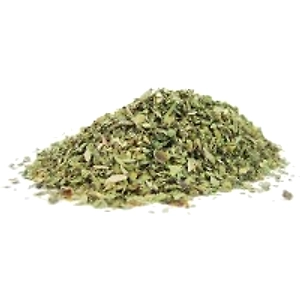
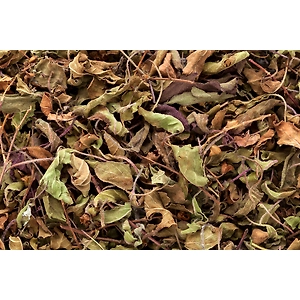
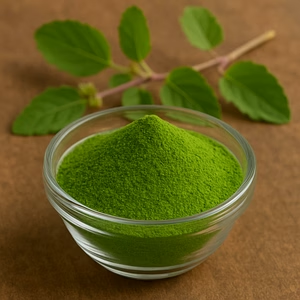
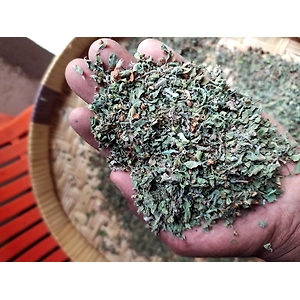
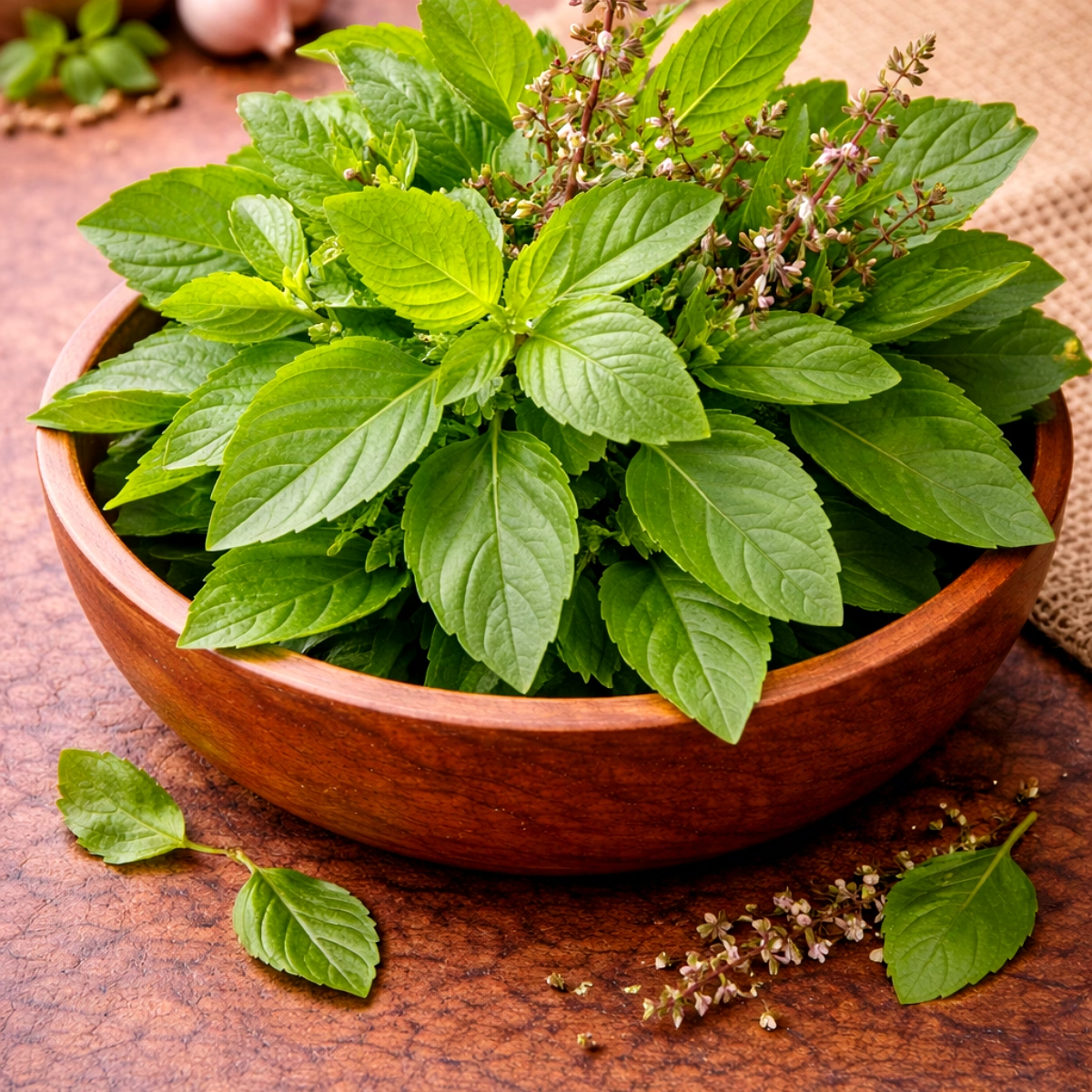
Basil Leaves are processed from selected Tulsi and Sweet Basil cultivars, harvested at peak maturity to ensure high volatile oil retention and characteristic terpene profiles. The dehydration process utilizes low-temperature airflow to preserve leaf morphology and native chlorophyll content while reducing moisture to <10% for long-term stability. Each lot is graded for uniform leaf size and low fragmentation, minimizing particulate dust and ensuring consistent aromatic intensity across industrial batches.
Consignments are secured in 25–50 kg industrial-grade sacks equipped with internal vapor-barrier liners to prevent oxidative degradation during transit. Material handling emphasizes cultivar segregation to maintain botanical identity, supported by batch-specific lot coding and comprehensive laboratory analysis for moisture, foreign matter, and microbial thresholds to meet industrial procurement specifications and supply chain traceability requirements.
Contact us for
The structural integrity of Basil (Tulsi/Sweet Basil) is maintained through a strictly regulated material flow that begins with immediate post-harvest cooling. Independent drying profiles are calibrated for each cultivar to prevent the loss of heat-sensitive aromatic compounds. Pre-cleaning and multi-stage sieving remove stems and oversized fragments, resulting in a free-flowing botanical leaf with stable bulk density. Quality assurance protocols include spectrophotometric checks and moisture analysis to confirm that each lot meets the required functional parameters for industrial use.
Maintaining leaf structure and limiting fines significantly reduces losses in pneumatic conveying and decreases filter loading on dust-collection systems. In large-scale blending, cultivar fidelity ensures a predictable flavor contribution, which eliminates the need for frequent recipe adjustments or reformulation cycles. The use of multi-layer vapor-resistant packaging prevents moisture ingress and stabilizes the product’s sensory attributes during multi-modal transit. Recommended storage at temperatures below 25°C and relative humidity under 65% ensures that the aromatic constituents remain functionally stable throughout the stated shelf period.
Standard deployments for these botanical leaves include dry-mix seasonings, herbal infusions, and ingredient supply for large-scale food processors. Packaging and logistical protocols are configured to support high-volume distribution and integration into industrial ingredient supply chains. Each consignment is palletized and documented with lot-level certificates and laboratory reports to support incoming quality control (IQC) and batch verification for contract manufacturing operations.
| Established in: | 2020 |
| Bussiness Type: | Sole Proprietorship |
| Bussiness Type: | Manufacturer, Merchant |
| MSME: | Yes |
| Export Turnover (3 years): | Less than US$10,000 |
| Countries would like to export to: | Australia, Canada, France, Kenya, Russia, Sri Lanka, United Arab Emirates, United States |
| No of employees: | 1-10 |